UK Democracy Bulletin, August 2026

Issue #83 — August 2026
Monthly news, jobs, grants and gossip from across the democracy sector, brought to you by the UK Democracy Network. We read everyone’s newsletters & research so you don’t have to. If you want us to cover yours, let us know: hello@democracynetwork.org.uk
How you can get involved right now! Do these things 👇
- Join the Democracy Network
- See the latest democracy jobs & add your own
- Check available democracy funding
- Explore the Democracy Map
- Subscribe to the UK Democracy Announcements Mailing List
Highlights
- Unlock campaign against stripping vote from 16–17 year olds in youth detention
- Disability Policy Centre run survey for MPs to self report disability
- Democracy Club launch new Northern Ireland polling place mapping
- Electoral Commission release new flexible voting pilots report
- Liberty warn new terror sentences against protesters set dangerous precedent
- Rajiv Menon KC faces historic contempt trial as judiciary breaks with 350 year legal precedent
- Lord Speaker warns Lords reform could blow ‘constitutional fuse’
- Shout Out UK publish digital safety guide for managing online intimidation
- Artcry and Connected by Data announce they are winding down
Democracy Jobs
Featured Job Listings across the Democracy Sector. View the full database of upcoming job listings here. There are currently 179 open democracy sector jobs at the time of publication — have we missed any? Add them via this form.
Rolling deadlines
Multiple roles: Association of Democratic Services Officers
- Rolling deadline: Young Co-Creator at Democracy Box (£15 an hour, aged 16–26)
- Rolling deadline: Journalist / Writer at Naked Politics (£50 per article, freelance)
- Rolling deadline: Trainer & Facilitator at Shout Out UK (living wage of region worked, freelance)
- Rolling deadline: Director, Finance & Operations at Luminate (£120,000–160,000)
- Rolling deadline: Director of Operations at Keseb ($115,000–125,000, US based)
Featured upcoming roles
- Apply by August 5: Democratic Services Officer at Sandwell Metropolitan Borough Council (£37,280–41,771)
- Apply by August 5: Research and Investigations Volunteer at Big Brother Watch (two posts, unpaid, one day a week, travel and lunch reimbursed)
- Apply by August 6: Employee Experience Manager at UK Parliament (£45,359–51,885)
- Apply by August 6: Head of Persuasion at HOPE not hate (£55,000)
- Apply by August 7: Corporate Partnerships Manager at Young Citizens (£38,000–42,000)
- Apply by August 7: Deputy Town Clerk at St Ives Town Council (£39,862–42,839 pro rata)
- Apply by August 7: Digital Service Manager at mySociety (£45,000–55,000)
- Apply by August 7: Events Officer at the Institute for Government (£33,000–35,000)
- Apply by August 10: Campaign Lead: Transforming Peace and Security at Medact (£40,495)
- Apply by August 10: Committee Services Officer at Hart District Council (£33,698–36,057 pro rata)
- Apply by August 10: Senior Researcher — Demos Digital Team at Demos (£36,093–40,166)
- Apply by August 11: Communications Manager at UK Parliament (£37,834–41,998)
- Apply by August 11: Operations and Systems Manager at SMK (£34,000 FTE, £13,114 actual)
- Apply by August 13: Temporary Democratic Services Officer at Tendring District Council (£32,061–34,434)
- Apply by August 14: Commercial Manager at UK Parliament (£37,834–41,998 plus technical allowance)
- Apply by August 14: Digital Communications Volunteer at Big Brother Watch (unpaid, one day a week, travel and lunch reimbursed)
- Apply by August 14: Director of Professional Development at ADSO (£7,492)
- Apply by August 14: Senior Assistant to the Senior Leadership Team at Action for Race Equality (£35,000)
- Apply by August 14: Senior Commercial Manager at UK Parliament (£45,359–51,885 plus technical allowance)
- Apply by August 17: Civil Society Officer at Quakers in Britain (£22,105, £36,842 FTE, plus £3,900 London weighting)
- Apply by August 17: Digital Campaigner at Foxglove (£52,000)
- Apply by August 17: Policy and Public Affairs Adviser at the Electoral Commission (£31,549–33,126)
- Apply by August 19: Senior Programme Officer (Creative) at the Commonwealth Foundation (£40,612–45,079)
- Apply by August 20: Research Consultant on Integrity in Public Decision Making at Transparency International (€10,000 total budget)
- Apply by August 21: Independent Adviser to the Senedd Commission at Senedd Cymru (£5,000 plus £2,000 for committee work)
- Apply by August 21: Operations Manager at Big Brother Watch (£13,500, £31,640 FTE)
- Apply by August 21: Senior Advocacy Officer at Big Brother Watch (£35,000–45,000)
- Apply by August 21: Town Clerk at Knutsford Town Council (£58,523–62,852)
- Apply by September 1: Campaign Assistant at Centenary Action (£175 per day, 8 days a month)
Thanks to our contributors
Thanks to everyone who wrote to us with their updates or added their news to this month’s Democracy Check-In. We heard from James Sherwin-Smith — Coalition for Democratic Governance, Katy Rubin — The People Act, Carole Pugh — York St John University, Annie Pickering — Climate Emergency UK, Peter Keeling — Democracy Club, Gloria Dawson — Research for Action, Annabel Mullin — Elect Her, Myf Nixon — mySociety, David Murray — Autonomy, Rowan Hall — UCL Constitution Unit, Sam Christopher — Unlock, Titus Alexander — Democracy Matters, Tom Brake — Unlock Democracy, Euan O’Byrne Mulligan — JUSTICE, Perry Walker — Talk Shop, Henry Kul — WeTheBrits, Aimee Dorset Browne — Social Change Nest, Hattie Andrews — The Politics Project and Josiah Mortimer — The Byline Times.
Spotlight: Burnham Watch
As the new Prime Minister, attention has turned to what an Andy Burnham premiership may mean for power, devolution and accountability
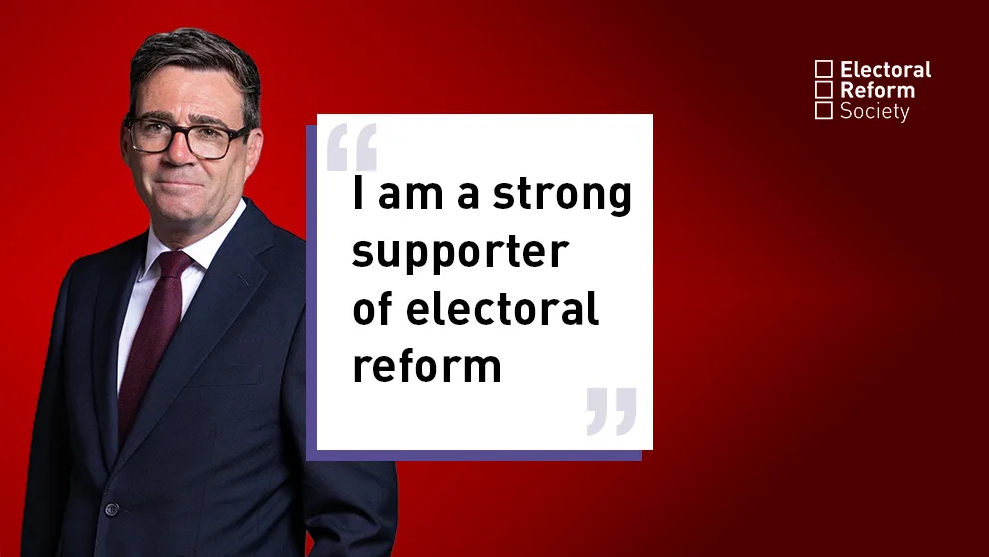
Burnham first PM to openly back PR, says Electoral Reform Society
The Electoral Reform Society have gathered every statement the new Prime Minister has made in support of electoral reform, from a May ITV interview to last month’s Reddit Ask Me Anything, where he said he would push his party to put reform in its next manifesto. More than 90 Labour MPs now back a national commission on the voting system. Read their assessment here.
Open Britain ask Burnham to back a National Commission on PR in his first 100 days
Open Britain are petitioning the new Prime Minister to commit to a National Commission on Proportional Representation within his first hundred days. The ask builds on the Sobel amendment, which drew close to 200 parliamentarians from seven parties before the Representation of the People Bill was paused. Sign the petition here.
Politics for the Many read the tea leaves of the government through Head North
Politics for the Many have gone back to Head North, the 2024 book Andy Burnham wrote with Liverpool Metro Mayor Steve Rotheram, to determine the priorities of the current government. Politics for the Many Vice Chair, John Doolan, finds a 264 page diagnosis of London’s hoarding of power and money, with proportional representation, weaker whipping and federal devolution as key priorities. Burnham dates this conversion to his time governing Manchester without FPTP, which he says produces a different type of politics, of ‘problem-solving first and foremost, not about point-scoring’. Read the full piece here.
Unlock Democracy pens open letter to new democracy minister
Unlock Democracy wrote to Florence Eshalomi MP on 31 July, days into her appointment, seeking a meeting on how the Representation of the People Bill could go further. CEO Tom Brake asked the Minister for an annual cap on political donations, a National Commission on Electoral Reform, and a committed timeline for automatic voter registration before the next general election. Bills on electoral reform, the letter notes, do not come round often. Read the letter and add your name here.
Citizens in Power notes Burnham describes a citizens’ assembly without offering one
David Jubb, Co-director of Citizens in Power, observed that the new Prime Minister spent a press conference setting out precisely what a citizens’ assembly does — could the country ‘weigh up the different options’ and ‘come to a considered view based on those facts’ — without proposing one. Burnham has invited Kemi Badenoch and Ed Davey to cross-party talks, and Baroness Casey’s Big Conversation on Care will gather views through an online platform instead. Read the Prime Minister’s statement here.
Meanwhile, Demos advise on the participatory process for Casey’s Big Conversation
Polly Curtis says Demos are advising on delivery of the participatory process behind The Big Conversation, Baroness Casey’s public engagement exercise on social care — the route the Prime Minister has taken instead of the citizens’ assembly he described at his press conference. Read about the Big Conversation here.
Spotlight on Corruption want Burnham to reconfirm the Anti-Corruption Champion
Spotlight on Corruption says one of the new Prime Minister’s first steps should be reconfirming the government’s Anti-Corruption Champion, with ministers getting sharp about implementing the Anti-Corruption Strategy launched last December. Four months from the strategy’s first anniversary, the anti-corruption movement will be expecting concrete progress. Read their assessment here.
Katy Rubin highlights the new PM’s involvement in Manchester participatory processes
Katy Rubin, the legislative theatre practitioner behind The People Act, has been sharing images of Andy Burnham at participatory events across Greater Manchester — including one of the now Prime Minister brandishing the Greater Manchester Live Well Participation Playbook and declaring that ‘participation is the antidote to alienation’. Katy hopes that his apparent commitment survives the move south. See the post here.
City-REDI weigh Burnham’s devolution plans against the evidence and find the money missing
Rebecca Riley of City-REDI and the LPIP Hub tested seven strands of the devolution agenda against existing research: the over-centralisation diagnosis holds up strongly and the fiscal plumbing is absent. The ‘equivalent living conditions’ principle Burnham borrows from Germany rests on horizontal fiscal transfers of more than £18bn a year, and without institutional and fiscal reform, she warns, the agenda ‘risks being rhetorical rather than transformative’. Read the evidence review here.
PoliticsHome find deliberative democracy’s advocates hoping Burnham listens
From the Greater Manchester Playbook, to the team at Demos, Matilda Martin reports for PoliticsHome on the MPs and democracy organisations who see an opening for deliberative practices in a Prime Minister who talks about a country wired to work for local people, they say. Read the article here.
Calls to Action
Consultations to respond to, open letters to sign, convening to follow and collaborators wanted
Network for Police Monitoring and Defend Our Juries call for support over Rajiv Menon KC
Network for Police Monitoring and Defend Our Juries are petitioning Justice Secretary Alex Norris and Attorney General Ellie Reeves to protect juries from judicial interference, after Rajiv Menon KC has become the first barrister in British legal history to face contempt proceedings over the content of a closing speech. The question at stake is jury equity, the principle that jurors may acquit according to conscience, recognised since R v Penn & Mead in 1670 and marked by a plaque at the Old Bailey — which barristers can now, apparently, be forbidden from mentioning in court. The 38 Degrees petition stands at 42,400 signatures against a 45,000 target. Sign the petition here.
But that’s not all — Charlotte Head, one of the Filton 25 who was represented by Menon, writes for openDemocracy that his chambers warn of a chilling effect on the Bar, and Riel Karmy-Jones KC, chair of the Criminal Bar Association, says barristers have become ‘uncertain and scared’ about what they can and cannot say. A last-minute stay has now moved his case to September. Read the piece here.
Unlock fight clause stripping the vote from 16 and 17 year olds in youth detention
Unlock and organisations across the youth justice sector wrote to the Secretary of State opposing Clause 2 of the Representation of the People Bill, which would bar 16 and 17 year olds in youth detention from voting once their age group gets the franchise. The Secretary of State’s reply confirmed the clause will be neither amended nor removed, so Sam Christopher is convening an online planning meeting at 12.30pm on Tuesday 4 August. Read the letter here, and email policy@unlock.org.uk to join the call.
Spycops survivors call for urgent support to fight consultation on curtailing their inquiry
The Home Office opened a consultation on 16 July into the future of the Undercover Policing Inquiry, the decade-long, £140m investigation into police infiltration of political groups, which is still hearing evidence. Core participants want the consultation withdrawn, objecting that the Public Office (Accountability) Bill is being used to justify weakening a statutory inquiry before it is even made law, and the Campaign Opposing Police Surveillance and Police Spies Out Of Lives are asking people to respond through the campaign’s own route rather than the government form. Responses close at 11.59pm on Thursday 20 August.
Citizen Network combine grassroots charter into new campaign with Unlock Democracy
A New Charter for the 21st Century was written by 21 people from grassroots community groups and makes six core demands, including that ‘neighbours make decisions for their own communities’. Citizen Network is now building a neighbourhood democracy campaign on it with Unlock Democracy, launching shortly. Read the charter here.
Devolve Wealth call for a Local Citizens Fund in every neighbourhood
The #DevolveWealth campaign wants £80bn raised from taxes on wealth, paid into a UK Citizens Fund devolved to decision making at a neighbourhood level. Get involved with the campaign here or get in touch with Jason Leman from Citizen Network.
Disability Policy Centre ask MPs to report confidentially whether they are disabled
The Disability Policy Centre are polling MPs anonymously on whether they identify as disabled or as having a long term health condition, data no body currently collects centrally. Their own research found just 8 of 650 MPs declared as disabled in the 2019 to 2024 Parliament, 6 more disclosing only after leaving, against a disabled population of nearly one in four. Co-founder and Director of DPC, Chloe Schendel-Wilson, asks organisations and constituents to contact their MPs with the survey and template letter to help build the dataset.
NUJ remind journalists to log abuse via Journalists’ Safety Tracker
The NUJ’s Journalists’ Safety Tracker, launched in November 2024, takes confidential reports of abuse, harassment and legal proceedings against journalists, building the evidence base for better protections. The early returns show why the system exists, with fewer than half of pre-Oct 2025 reports having been taken to the police, fewer still to an employer. Report an incident here.
Talk Shop want to run an Agree-athon in your area
Talk Shop brought local politicians from five parties together in Hereford in March for an Agree-athon, a format built to surface common ground rather than defend positions. With more than half of UK councils now hung, minority or coalition run, Perry Walker notes there are few tools for cross-party collaboration, and the Win-Win Alliance are keen for more trials. Read about the first Hereford trial here.
Research for Action want to hear from people in Croydon
Research for Action is deepening their work on council bankruptcies and government interventions, and what both mean for workers, campaigners and local services. They want to speak to anyone with experience of the intervention at Croydon Council — get in touch at info@researchforaction.uk.
Surrey Youth Council want partners for a youth political engagement campaign
Surrey Youth Council members are designing a social media and podcast campaign covering the basics of voting alongside reading manifestos and spotting misinformation, and are looking for organisations to collaborate. Email Camilla Evans at camilla.evans@surreycc.gov.uk to get involved.
Stop Funding Hate want MPs to ask why Ofcom is not enforcing its own code
Stop Funding Hate are asking people to press their MP to write to Dame Caroline Dinenage, Chair of the Culture, Media and Sport Committee, seeking an investigation into Ofcom’s failure to enforce the broadcasting code. They point to Alan Rusbridger’s GB News investigation, and to Ofcom opening its first climate misinformation investigations in nine years only after campaigner pressure, despite more than 1,000 complaints since 2020. Find the campaign’s action page here.
The Advocacy Academy reach the second round of a community bid for Brixton’s markets
The Advocacy Academy and the Brixton Traders and Community Association are through to the second round of bidding to bring Brixton Village and Market Row into community ownership, ahead of private equity buyers, and have secured Asset of Community Value status for both. The work now is the financial, legal and governance case for a credible community ownership model. Back the campaign here.
People Powered want visual stories that make democracy travel, by 14 September
The Democracy Stories Lab is open to creators anywhere in the world — civic tech, organising, comedy, art, games, lifestyle content — for short videos, illustrations and graphics engaging one of five narrative frameworks from the Democracy Narratives Alliance’s research on how to talk about democracy. Four winners will receive $1,000 each, with five honourable mentions taking $500, and a global screening event to follow. Apply by 14 September here.
NALC want nominations for councillors under 30 who are changing their places
National Association of Local Councilsl (NALC) Young Councillor of the Year award recognises a parish or town councillor who was 30 or under when last elected, judged on local services, two-way communication with residents and widening participation. The average councillor is around 60. Anyone can nominate, except councillors themselves or their family, and entry is limited to NALC membership. Submit a nomination by 25 September here.
Society of Editors take entries for the Media Freedom Awards until 16 August
The Society of Editors’ awards run to 22 categories across public interest, investigative, campaigning and community journalism, with Scoop of the Year and Social Media Journalist of the Year new for 2026. Entries close at midnight on Sunday 16 August, and the ceremony is at the Globe Theatre in London on 11 November. Enter the awards here.
Centre for Cities look for fringe event partners for conference season
Centre for Cities are finalising fringe programmes for the Labour, Conservative, Liberal Democrat and Reform conferences, and want partners on deprivation, social housing, skills and devolution. Email info@centreforcities.org, or read the partnerships brochure here.
Ella Baker School want 500 community trainers within a year, and £5,000 to get there
The Ella Baker School of Organising, which open-sources training materials built from UK organising struggles, plans to train 500 volunteer community trainers in twelve months. Train the trainer sessions run in central London on Saturday 19 September, Birmingham on Monday 12 October and Cardiff (sign up full), for anyone who can commit to delivering the training where they live. Their training reached 500 people in seven weeks from 1 June. Donate to their appeal here.
James Sherwin-Smith is building a Coalition for Democratic Governance
Since the Nationwide AGM, James Sherwin-Smith has called a Special General Meeting campaign to put seven rule changes to Nationwide’s membership, among them ending the bundled Quick Vote, guaranteeing two Member Nominated Directors and binding votes on executive pay. He is also building a Coalition for Democratic Governance across member owned bodies. Register your support here.
Funding & Grants
New grants awarded, funds opening, and money flowing into the work

MHCLG open £2.5m Democratic Engagement Fund aimed at the least engaged
The Democratic Engagement Fund will pay for place-based activity helping people in England understand and take part in democracy, targeted at the groups currently least engaged. Most awards will be around £25,000, rising to £50,000 in exceptional cases; applicants need an annual income between £50,000 and £1m, two years of accounts, and a willingness to generate evidence on what works. Apply by 11.59pm on Monday 31 August here.
DCMS place media literacy inside Local News Fund’s infrastructure stream
The Local News Fund, worth up to £6m in 2026/27 under the government’s Local Media Action Plan, reserves a quarter for infrastructure benefiting the wider industry — and that stream explicitly includes media literacy work promoting the value of local journalism, with bids up to £275,000 considered. Apply by midday on Friday 7 August here.
Artcry choose right to protest for their final grant, shutting up shop for good
Kathryn Bilyard and the team at Artcry, funders of fast-response political art in public space since 2020, are winding up, and have chosen the erosion of the right to protest for their last £5,000 grant — pointing to the Policing, Crime, Sentencing and Courts Act 2022, the Public Order Act 2023, and the longest sentences in UK history for non-violent protest. Applications are rolling with no deadline, a panel decides within seven days, and the fund stays open until the full £5,000 is granted out. Work must happen free, in public space in the UK, within three to six months. Apply for the grant here.
WCIT put up to £15,000 behind charities piloting new technology, closing 14 August
The WCIT Charity, charitable arm of the Worshipful Company of Information Technologists, funds charities piloting technologies that improve how they run or scale to the wider sector, plus digital literacy, public engagement and STEM education. They are candid about the odds: 100 applications last quarter produced three grants, with roughly £62,000 left for 2026. Apply by 5pm on Friday 14 August here.
Henry Smith Foundation open 20 grants of £200,000 for organisations working with migrants
The Welcome for Newcomers fund makes around 20 grants of £200,000 over three years — flexible money, aimed at running costs — for UK organisations supporting migrants and refugees. Expressions of interest close at 5pm on Wednesday 26 August; full applications 16 October. Read the criteria here.
Churchill Fellowship to open next month
The Churchill Fellowship’s Civic and Democratic Engagement Programme opens on the 1st September and is looking to support those with promising ideas for civic and democratic innovation. Would you like to know more?
Events & Convenings
What’s coming up: summits, festivals, training, coworking and gatherings worth turning up to
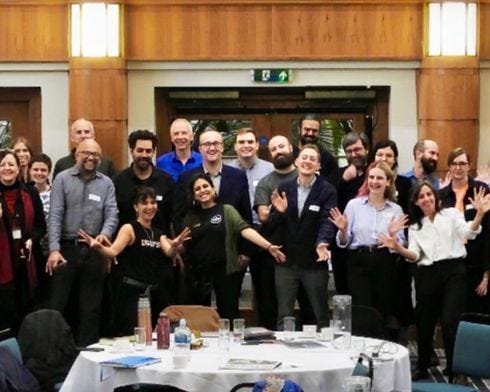
Don’t miss: Edinburgh Democracy Drinks, 6 August
Involve UK are hosting Democracy Drinks this Thursday at the Scottish Parliament — Register now!
PuntCon returns to the Cam, Sunday 16 August
The long running civic tech summer punt from Cambridge to Grantchester Meadows and back assembles by the Mill pub on Mill Lane between 12pm and 12.30pm. Organised by Bill Thompson and friends, the punt hire is £30 a head, free for under 10s, bring your own food and drink. Register for a punt by lunchtime on Saturday 15 August here.
Climate Emergency UK open their Local Climate Academy, from Tuesday 1 September
Climate Emergency UK’s Local Climate Academy runs online over six weeks from 1 September to 6 October, built this time for campaigners working with councils, particularly where devolution and local government reorganisation are in play. Joseph Rowntree Charitable Trust funding covers campaigner places where cost is a barrier, and they separately have Andrew Wainwright Reform Trust money to help groups campaign with regional mayors, current and soon to exist. Apply for a place here.
Elect Her run free Be a Councillor workshops for Scotland and Wales, Thursday 3 and Tuesday 8 September
While only a third of sitting councillors are women, Elect Her’s free online workshops build the skills and confidence for a new generation of women to stand ahead of the 2027 local elections. Scotland runs on 3 September and Wales on 8 September, each twice over, at 1pm and again at 7pm. Sign up for a workshop here. But that’s not all — with Peer Support Circles for those exploring a political path, coaching for women already in office, and Candidate Clinics from November. Comms Director Annabel Mullin says Elect Her will virtually hold women’s hands all the way into elected office. Register now.
NEON to hold London Summer Gathering, Saturday 5 September
New Economy Organisers Network bring organisers, campaigners, communicators and trade unionists to the Brady Arts & Community Centre in Whitechapel in London for a day of political analysis and strategy, with sessions on organisational power, media strategy and countering far right narratives. Breakfast, lunch and post-event drinks included. Book your ticket here.
Social Change Nest convene Wild Times, an unconference for people holding communities together, Tuesday 15th September
Wild Times brings grassroots organisers, mutual aid networks and activists to The Priory Rooms in Birmingham around four themes — looking after ourselves, each other, our communities and our democracy. The Social Change Nest promise a peer led gathering rather than a conference, with tickets tiered by ability to pay — starting at £1. Book a place here.
Consul Democracy gather the digital participation field in Munich, Tuesday 15 to Thursday 17 September
CONSULCON26 is three days hosted by the City of Munich for anyone working on digital participation, open source technology and democratic empowerment, built around the Consul Democracy platform used by hundreds of institutions worldwide. Tickets are donation based, €100 recommended. Register for the gathering here.
The Politics Project open autumn training for teachers and youth practitioners, from Thursday 17 September
The Politics Project has teacher training for Digital Dialogue: Wales on 17 September, Conversations with Politicians training for youth practitioners on 23 September and 14 October, and a Gamifying Democracy workshop on 1 October. Further education colleges can register interest in Building to the Ballot, which prepares 16 and 17 year olds to take part. Book onto one of TPP’s many trainings here.
York St John launch new democratic education guidance for youth workers, Wednesday 30 September
Carole Pugh has worked with the National Youth Agency on guidance built from her research on young people’s political socialisation, answering a key recommendation of her policy briefing. Bringing Democratic Education to Life runs at York St John University. Book your place here.
PINF take the Local News Forum to Belfast, Friday 9 and Saturday 10 October
The Public Interest News Foundation’s fifth Local News Forum, at the Metropolitan Arts Centre in Belfast’s Cathedral Quarter, will have the Local News Fund, the BBC relationship and big tech all on the agenda. Last year’s attendees reported at least ten new connections each, and bursaries are hoped for where travel and accommodation would be a barrier — Book a ticket here.
Research, Reports & Tools
Fresh thinking, new evidence and practical resources to put to use

UCL Constitution Unit set out key steps to shore up the UK constitution
Safeguarding the Constitution: Key Steps to Strengthen UK Democratic Resilience, authored by Lisa James, Meg Russell and Alan Renwick, makes 28 recommendations across seven areas after a decade the authors say has exposed the risk of relying on convention alone. The recommendations include limits on a Prime Minister’s Lords appointments, the Commons’ power to recall itself, new statutory footing for the ethics regulators, donation caps and deepfake legislation. Thanks to Rowan Hall, Impact Research Fellow at the UCL Constitution Unit, for sending this in. Read the full report here. But that’s not all — UCL’s Constitution Unit publish their latest must-read quarterly Monitor. Read Monitor 93 here.
Demos call for government to repair UK information supply chain
Published last month, Resilient Information Ecosystems, a new report by Hannah Perry, Director of Demos Digital, argues that fixing the UK’s information environment ‘requires more than countering false information’ — every link in the chain needs strengthening, from producing trustworthy information to citizens’ capacity to evaluate it and act together. The asks: clearer government leadership during elections and crises, more visibility for public interest information, and sovereign digital infrastructure. Download the paper here.
Human Rights First find migrant support groups in Northern Ireland under sustained attack
A Human Rights First report, covered by The Detail, draws on interviews with dozens of activists, service providers and lawyers describing death threats, racist graffiti and online harassment from far-right organisations. Some groups have stopped advertising their services publicly, and the Law Society has removed its list of immigration practitioners over safety concerns. The report asks the Northern Ireland Executive to publicly acknowledge racist violence in Northern Irish institutions. Read the investigation here.
Demos warn that hostile states threaten UK’s epistemic security
GEO for Geopolitics, by Demos’ Carl Miller, Hannah Perry and Flynn Devine, examines retrieval augmented generation poisoning, the process of seeding the open web with material designed to be picked up and repeated back by AI models. Their study of Russian information manipulation finds the technique already shaping what leading AI services tell users, and they argue the UK cannot protect its epistemic security without securing AI systems alongside the rest of the digital ecosystem. Download the report here. Meanwhile, EU based Liberties test whether AI bots can reliably inform voters and face similar issues.
The People Act map legislative theatre projects worldwide
Katy Rubin and the team at The People Act have published a Global Map of Legislative Theatre plotting more than 40 creative participatory policymaking processes with their reach, impacts and the problems they hit. Katy Rubin calls it an ongoing project and wants anyone running something similar to add it. Explore the map here.
the3million warn new eVisa system threatens key rights
The Digital Status Crisis paper draws on 1,877 reports to the3million’s Report It tool and estimates, on a conservative 0.2% reporting rate, that close to 940,000 of the ten million people relying on an eVisa have hit problems proving their status to employers, landlords and public services. They call it ‘a systemic failure in which people with lawful rights cannot reliably prove those rights’, and want an independent review with full transparency on error volumes. Read the report and back the campaign here.
Democracy Matters make the case for universities as nonpartisan agents for democracy
Titus Alexander of Democracy Matters has taken a paper to the American Political Science Association arguing universities should act as nonpartisan ‘Agents for Democracy’, and presents at the American Sociological Association this month. He points UK higher education to the Scholars Strategy Network, the Institute for Citizens & Scholars and College Presidents for Civic Preparedness as models already doing it. Get in touch with Titus at titus@democracymatters.info.
Ada Lovelace Institute call for a citizens’ track in global AI governance
The Ada Lovelace Institute argue the first UN Global Dialogue on AI Governance, meeting in Geneva, is the moment to build public participation into AI decision-making rather than bolt it on afterwards — upwards of 118 countries have been excluded from shaping the agenda so far. Their white paper, A Citizens’ Track on AI Governance, describes the infrastructure needed at four levels, from grassroots deliberation up to a ‘governance floor’ of minimum standards below which AI decisions should not be made. Read the blog here.
Goldsmiths publish new in-depth research into effects of voter ID
In their new report New Strategies for Voter Inclusivity in Great Britain, Sue Clayton and Harry Busz of Goldsmiths, University of London surveyed 1,000 voters outside polling stations across five election days between October 2023 and May 2025, then followed up with 45 of those surveyed alongside 13 advocacy groups. They identified six key groups at risk of disenfranchisement, including under 25s, people on low incomes, eligible migrant voters and Disabled voters. Only 13% said the rules had increased their trust in elections against 35% who said it had reduced. The report makes several key recommendations — including attestation of those without ID — Read the report.
mySociety start project scrutinising government use of AI
mySociety have convened experts from academia, law, journalism, technology and public policy around three questions civil society cannot currently answer: which AI systems public bodies are using, how those systems affect people, and where accountability sits when decisions come out of a black box. Julia Cushion reports a tension between collecting more information and using what exists, with the Algorithmic Transparency Recording Standard seen as good practice applied inconsistently. Read the summary here.
Connected by Data publish the write-up of their power and participation conference
Gavin Freeguard has written up Power and Participation in Public Tech, the conference Connected by Data held back in March with support from Demos and the Public Engagement in Data Research Initiative. Read the write-up here.
Demos and Kinship Works cost a Marshall Plan for Civic Life
Demos have published options for a Marshall Plan for Civic Life, setting out with James Plunkett at Kinship Works how a fund to refinance community foundations at the scale of the post-war restoration of Europe might work. Polly Curtis says hundreds of organisations have been in touch since the proposal first floated, it has been shared across the political divide, and a delivery-scoping programme is now forming. Read the options paper here.
Civic Tech Field Guide open the world’s largest civic tech directory to machines
The Civic Tech Field Guide has published an MCP server for its directory of thousands of curated civic technology projects, letting AI assistants and other tools search listings and traverse categories against live data. Public reads need no key and the data is CC BY 4.0. Set up the integration here.
Democracy Sector
The latest moves, hires, partnerships and organisational news from across the democracy sector
Citizen Network argue devolution fails unless neighbourhoods can take the power being offered
Neighbourhood Democracy News, edited by Jason Leman, Citizen Network’s Neighbourhood Democracy Lead, argues the devolution debate has fixed on whether Westminster will release power and skipped the harder question: whether communities can grasp it. Community capacity is spatially unequal, with neighbourhood differences in social capital, trust and organisational infrastructure that top down schemes routinely miss. Subscribe to the newsletter here.
JUSTICE launch newsletter explaining the justice system to young people
JUSTICE have launched Young JUSTICE, a quarterly newsletter breaking down current legal issues and reform options for students and young people. The first edition covered the government’s plans to curb the right to jury trial, which communications officer Euan O’Byrne Mulligan notes is now at a crucial stage with a new Prime Minister in Number 10 mulling over the policy. Sign up or share it here.
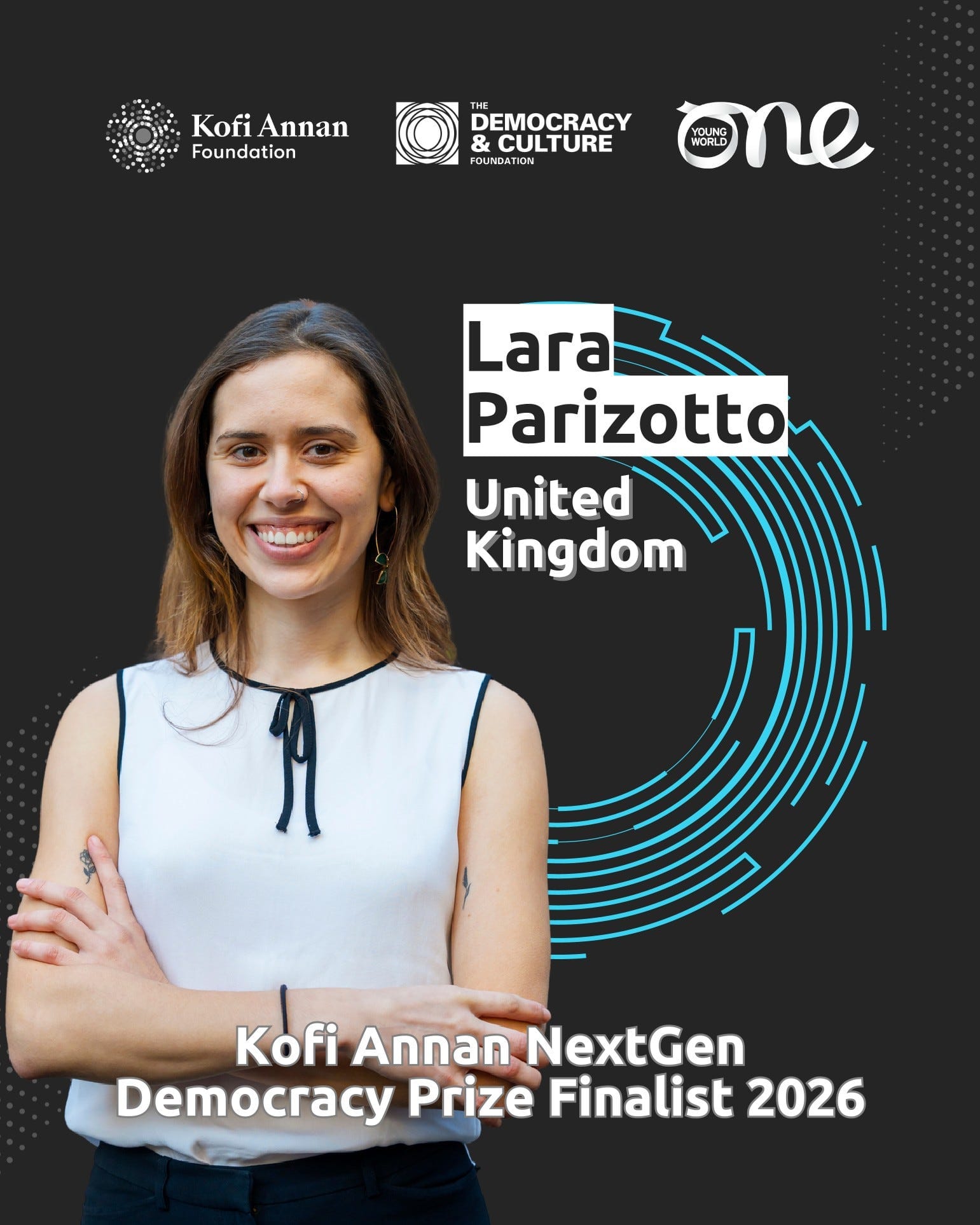
Migrant Democracy Project’s Lara Parizotto reaches the Kofi Annan prize shortlist
Lara Parizotto, Co-founder and Executive Director of the Migrant Democracy Project, has been shortlisted as one of seven finalists for the 2026 Kofi Annan NextGen Democracy Prize. The Kofi Annan Foundation cite MDP’s extensive voter registration work, candidacy training for migrants and campaigning to extend the right to vote. Lara says the nomination ‘gives the push we need to keep building a democracy for all’. Meet the finalists here.
My Vote My Voice train 60 Democracy Champions in July
My Vote My Voice’s Democracy Champions programme has run in Newcastle, Manchester, Brighton and London plus two online sessions, with Project Manager Lxx Garcia reporting 60 people trained by the end of the month. Lxx mentions an unexpected early lesson: of strong interest from people with learning disabilities and autistic people in becoming Champions themselves, so the next phase of the project will adapt the training and toolkit for peer facilitators. Read about the programme here.
PINF welcome Neha to the team, whilst Beckie convenes around what a co-creative BBC might look like
Public Interest News Foundation also welcomed Neha, their new Programmes Officer last week, who looks forward to meeting the wider indy news sector at the upcoming Local News Forum 2026 — Meanwhile Beckie Shuker imagined a co-creative BBC at this PINF workshop last month in response to the BBC Green Paper. This is also both a priority for Voice of the Listener and Viewer currently, as well as the Media Reform Coalition.
Connected by Data announce they are winding down
Connected by Data is shutting up shop in 2027, announces Founder Jeni Tennison. Jeni explores what this means for the organisation, but also what this means next for the work and the people involved. As a parting gift to the sector, they have packaged everything they learned about choosing venues — way beyond just step-free access, to how sound carries in high-ceilinged rooms during table discussions, always seeking three options rather than taking the cheapest, the trade-offs of free space from partners, and the case for meeting outside London even when the travel bill goes up. Read their notes here and follow their blog for more on their closing down process.
New UN Special Rapporteur on free expression starts with AI in his sights
Leopoldo Maldonado, until now Regional Director of ARTICLE 19 Mexico and Central America, has begun his mandate as UN Special Rapporteur on freedom of opinion and expression. Read the announcement here.
Upcoming Legislation
Bills, amendments and parliamentary activity from Westminster, Holyrood, Stormont and the Senedd
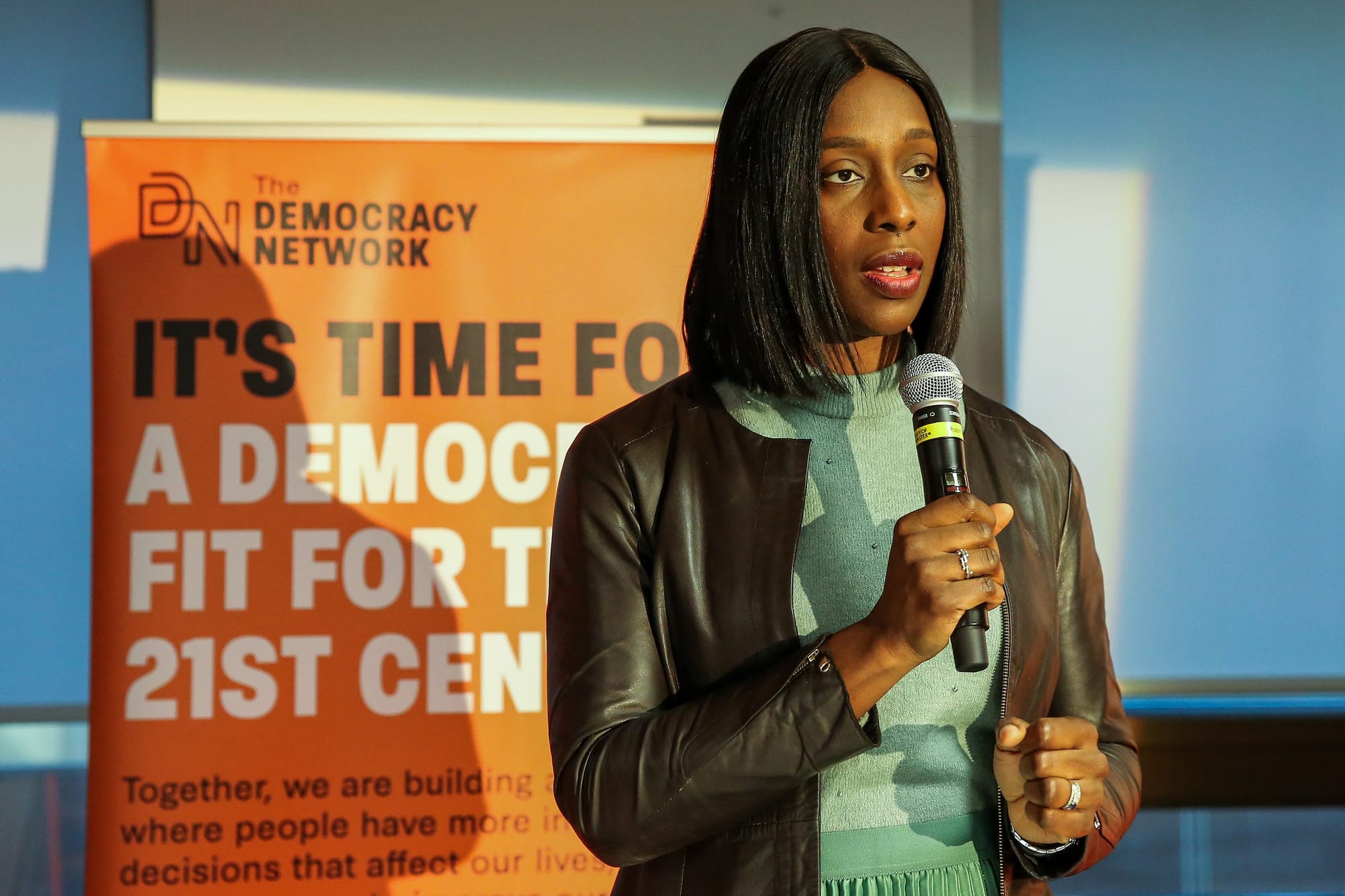
Fair Vote UK host working group for organisations tracking the elections bill
With the Representation of the People Bill’s remaining stages set for 2 September, there is a lot of sector work underway on it. Anyone working on the bill can join the working group calls through Fleur at Fair Vote — email fleur@fairvote.uk to get on the list.
Britain has a new Democracy Minister
Florence Eshalomi, who chaired the Housing, Communities and Local Government Committee before becoming Minister of State on 21 July, now holds the democracy brief and the Representation of the People Bill with it. She pressed for reassurance that the bill would return promptly after recess; Leader of the House Sir Alan Campbell confirmed it absolutely will. I Have A Voice note the bill was pulled on 14 July to make room for the Hillsborough Law, with report stage and third reading now on 2 September before the Lords take it. Track the bill here.
Elect Her take the Representation Bill to the Lords, Tuesday 8th September
Elect Her are working on the Representation Bill with the Women’s Democracy Group, have written to the new Prime Minister about the Bill, and are holding a Lords event on 8 September. Read about the group’s work here.
Labour MPs table four amendments to tighten party funding rules before the elections bill returns
MPs on the all-party anti-corruption group have tabled four amendments to the Representation of the People Bill, including a permanent ban on cryptocurrency donations in place of the government’s moratorium. The bill’s remaining Commons stages, paused from 14 July, now fall on Wednesday 2 September. Read the Guardian’s account of the rebellion here.
Journalists win explicit defence on the face of the National Security Act
The National Security (State Threats) Act 2026 came into force on 8 July with journalistic activity protected. The original drafting made it an offence to obtain ‘material benefits’ — including information — from organisations designated as foreign power threats, leaving correspondents fearing prosecution for undertaking their jobs. Amendments accepted in the Commons, now section 17C(8), provide a reasonable excuse defence, and Security Minister Dame Angela Eagle told the House the government is ‘very confident’ the Act places journalists in no jeopardy. Read Wiggin’s analysis here.
Society of Editors spend summer arguing assurances are not the same as law
Dawn Alford, Chief Executive of the Society of Editors, was among those pressing for the state threats bill to be amended rather than trusted: correspondents who engage with dangerous organisations to expose wrongdoing ‘should not be left relying on prosecutorial discretion to determine whether legitimate newsgathering is lawful’. Both current and former independent reviewers of terrorism legislation raised the same concern. Read their intervention here.
Compulsory voting reaches Burnham’s desk as think tanks press the case for a duty to vote
Proposals for compulsory voting, enforced with a £10 fine and paired with a ‘none of the above’ option, were seen by Andy Burnham’s transition team before he entered Downing Street. IPPR set out the fine in a new paper, The Democratic Citizen, on 10 July, lead author Nick Garland argues that politicians serve the groups most likely to vote, creating a ‘vicious circle’ of disengagement — turnout in 2024 was 56% among 18 to 24 year olds against 81% among the over 60s. Read the Times’ report here.
Reform UK press to end Commonwealth voting rights as elections bill heads back to the Commons
Reform UK wants to strip qualifying Commonwealth citizens of the vote in general elections, part of the electoral reform package announced in March after the Gorton and Denton by-election defeat, which would also end postal voting for most voters. Nigel Farage argues the current rule lets elections be fought on international rather than domestic questions. The then Starmer government responded saying it had ‘no plans’ to remove the right, citing ‘deep, historical ties with many Commonwealth countries’. Read the BBC’s report here. Editors note: we missed this at the time, but speaking to others, so did much of the sector — so we’ve included it in this month’s issue.
Creasy pushes a £100,000 cap on donations from anyone, wherever they live
Stella Creasy MP has tabled an amendment to the Representation of the People Bill capping single donations from any individual at £100,000 a year. Writing in the Guardian, she argues a donor’s location is a red herring — the Rycroft review’s overseas-only cap leaves a loophole for anyone wealthy enough to acquire a UK postcode — and notes 83% of the public already believe the wealthy are trying to buy influence. She distinguishes individual mega-donors from the political funds of trade unions and co-operatives. Read her argument here.
Process & Representation
Electoral reform, electoral law, candidate selection and party reform, Westminster and devolved parliaments

Electoral Commission report on May’s flexible voting pilots
The Electoral Commission has published new reporting on flexible voting pilots run during May’s English local elections, with further findings due in the second half of the year and more pilots planned for May 2027. Read the Commission’s reporting here and Democracy Club’s explainer of the pilots
Hansard Society warn House of Commons is about to abolish its regional outreach team
Professor Cristina Leston-Bandeira and Aileen Walker, formerly the Commons’ Director of Public Engagement, write for the Hansard Society that the House plans to scrap its regional parliamentary outreach service, replacing face-to-face community work with a digital, schools-only programme run from Westminster. They call it a retreat from two decades of leadership in public engagement, and note Holyrood and the Senedd are strengthening local engagement, not cutting it. Read their argument here.
Lord Speaker warns Lords reform could blow a constitutional fuse
In his first major speech since being elected, at a Hansard Society event on 16 July, Lord Forsyth of Drumlean argued the Lords acts as a constitutional safeguard, pointing to more than 2,000 legislative changes in the 2024 to 2026 session, the deepfake pornography ban among them. Instead, he recommends strengthening the House of Lords Appointments Commission to nominate more independent peers and improve the geographical spread. Read the speech here.
Hansard Society asks how to protect politicians without cutting them off from constituents
Episode 151 of Hansard Society podcast Parliament Matters puts the question to Sir Robert Buckland, the former Lord Chancellor leading the independent review into the murder of Sir David Amess. The podcast also looks into whether the Commons should have postponed recess to scrutinise the incoming government. Give it a listen here.
Jo Cox Foundation warn the response to violence must not push MPs further from constituents
Dr Hannah Phillips of the Jo Cox Foundation, warns that rape and death threats against MPs, their staff and families now number in the hundreds, with security around Westminster visibly tightening since 2017 — with the risk that the people elected to represent communities end up walled off from them. Read the briefing here.
Shout Out UK publish digital safety guide for managing online intimidation
Blocking the Noise is a guide for political candidates and their support staff on managing online intimidation, abuse and digital safety, built around firsthand accounts. Shout Out UK produced it with Welsh Government Candidate Diversity Grant funding, co-designed with Elect Her, Disability Wales, Race Equality First and the Jo Cox Foundation, alongside candidates, serving representatives, staff and policing teams. It comes in English and Welsh, each with an Easy Read version. Download the guide here.
NALC press the government to act at last on councillor standards
NALC have written to Angela Rayner, back at Housing, Communities and Local Government in Andy Burnham’s new cabinet, urging long-promised standards reform. NALC Chair, Cllr Iain Hamilton, welcomed the recognition of parish and town councils in the English Devolution and Community Empowerment Act, but warned that intimidation and abuse of councillors is undermining trust and deterring people from standing. The asks: stronger sanctions, a mandatory national code of conduct, and devolution beyond mayoral and combined authority areas. Read about their letter here.
Democracy Club map Northern Ireland’s polling places
Democracy Club have built the Electoral Office for Northern Ireland an interactive map of every proposed polling place for 2027, with assigned addresses and boundary toggles. This is the first time, Democracy Club’s Peter Keeling believes, that an entire UK region’s polling scheme has been publicly mapped. The trigger is 6 May 2027’s rare combined council and Assembly election, which forces two different station layouts into one. The consultation runs until 2 October. Explore the map here.
House of Commons Library start counting the MPs who will not stand next election
Sarah Priddy of the House of Commons Library has opened the running list of MPs standing down at the next election. It currently holds one name: Helen Grant, Conservative MP for Maidstone and Malling, who had major surgery after a 2024 cancer diagnosis and says that after 19 years this is ‘the right time to start to pass the baton’. Follow the list here.
House of Commons Library map the unwritten constitution of the UK
David Torrance, Researcher at the House of Commons Library, has published a briefing setting out the key elements of the UK’s uncodified constitution. The analysis arrives as the constitution, a motley collection of documents and statutes, centuries in the making, takes a run of stress tests, from Lords reform to the seventh change of Prime Minister since 2016. Read the briefing here.
New Statesman argue both sides must detoxify politics after Widdecombe’s murder
Ann Widdecombe, the Reform UK spokesperson and former Conservative MP, was murdered at her home in Devon in July, and Reform’s home affairs spokesperson Zia Yusuf called an emergency press conference on 15 July, saying an attack on one politician is an assault on democracy itself. The New Statesman argues the lesson runs in both directions, left and right alike need to detoxify public discourse. Read the piece here.
Nigel Farage resigns as MP to stand again in Clacton
The beleaguered Reform leader, who has faced pressure over his £5 million gift from Thailand-based billionaire Christopher Harborne and close links with convicted fraudster George Cottrell, resigned last month to stand again in the coastal Clacton seat. Clacton votes in a new by-election on 13th August, featuring 34 candidates.
Power & Structure
Where power sits and who gets a seat at the table

Big Brother Watch reports government drops plan to restrict VPNs
Big Brother Watch joined more than 20 organisations urging the government to rethink proposals limiting VPN use alongside its social media age restrictions, and the government has now confirmed it will not proceed, acknowledging VPNs have legitimate privacy and security uses. Big Brother Watch calls it proof that ‘when we come together, we can push back against censorship’ — and win. Read their reaction here.
Liberty warns terror sentences against protesters sets dangerous precedent
The protestors, known as the ‘Barclays Five’, face being sentenced under terror laws despite being convicted of non-terror criminal charges. The move highlights the deep flaws in the UK’s counter terror laws, Liberty says. Akiko Hart, Liberty director, said: “UK’s counter terror laws capture activity most people would never consider terrorism,” remarking the announcement “confirms our fears that the Filton 4 sentencing would set a dangerous precedent for how terrorism laws are used to target protestors. Direct action has always been a feature of protests, but the line between direct action and terrorism is becoming dangerously blurred”.
Ethics and Integrity Commission calls for every lobbying contact to be publicly declared
A review led by Doug Chalmers recommends that all lobbying of ministers, aides and senior officials be registered — WhatsApp messages and party conference conversations included — replacing a register that captures only 4 to 6% of lobbying activity. The current system ‘fails to deliver the required level of transparency and, in doing so, falls short of meeting the Nolan principles’, Chalmers said, and the commission wants the maximum penalty raised tenfold to £75,000. Chalmers also ran a briefing call for sector organisations alongside the announcement. Read the Guardian’s summary here.
Unlock Democracy report new coalition urging Burnham to legislate on lobbying
Unlock Democracy, Transparency International UK, Spotlight on Corruption, Action on Smoking and Health and the Chartered Institute of Public Relations wrote to the Prime Minister on 23 July asking him to implement the Ethics and Integrity Commission’s recommendations as a matter of urgency. ‘Repeated breaches of the lobbying rules have contributed to falling levels of trust in politicians’, said Director Tom Brake. The overhaul needs primary legislation. Read the coalition’s letter here and Spotlight on Corruption’s own analysis here.
Unlock Democracy bid to build a tracker for every measure that chips at UK democracy
Tom Brake has put a bid to the Joseph Rowntree Reform Trust for a UK Action Tracker, built with Christina Pagel of Trump Action Tracker fame, logging any measure from any UK party that impinges on democracy, open for anyone to draw on. Unlock Democracy continue to push for automatic voter registration before the next general election.
Democracy for Sale argue Britain cannot fix corruption until it admits it has some
Robert Barrington, writing for Democracy for Sale, argues that British squeamishness about the word corruption is itself the problem — the only country to fall further than the UK on the Corruption Perceptions Index over the past decade is Belarus. Corruption risk, he argues, should be central to any devolution of power, given the 520 council audits left outstanding by 2023. Read the piece here.
Liberty warn digital ID may be gone but the thinking behind it is still alive
Liberty offer no eulogy for a policy they call ill-conceived and rushed out on the eve of a party conference. They warn instead that the policy reset only counts if the basis for the policy goes too — technology-first solutions, expanding surveillance powers and centralised control over citizen empowerment all continue through eVisas and other digital identity work. Nearly three million people signed the petition against the scheme, costed by the OBR at £1.8bn over three years. Read Liberty’s assessment here.
The Ferret trace international money behind Scotland’s ‘vigilante’ night patrols
The Ferret has investigated ex-BNP ‘Christian patriot’ Jim Dawson raising international funding for vigilante night patrols in Scotland, and reports that an anti-immigration protest in Glasgow which turned violent drew thousands, among them loyalists from Northern Ireland with criminal convictions. Read the investigation here.
Criminal Justice Alliance say better stop and search guidance is worthless if nobody enforces it
The Criminal Justice Alliance have responded to the College of Policing’s consultation on updated stop and search guidance — revisions prompted by the HMICFRS investigation that followed the CJA’s own 2021 super-complaint on suspicionless searches. Their asks include a named oversight body monitoring compliance, explicit duties on senior leaders over racial disproportionality, independently chosen chairs for community scrutiny panels, and publication of what those panels recommend. Guidance that cannot be enforced, they argue, will not rebuild the trust effective policing depends on. Read their response here.
Capacity & Engagement
Building and strengthening a healthy democratic culture

Carnegie UK answer policymakers key questions on deliberative democracy
Adam Milne, Senior Policy Advocate at Carnegie UK, writes that the Carnegie Engaging Democracy programme kept hearing the same demand, policymakers do not want to be told what deliberation is, they want to know whether it works. As part of the report, Adam deployed a range of case studies to answer with a clear evidential basis, from Scotland to Belgium — Read the case studies here. A recent European Commission report Impact of Citizen Engagement also worked to answer this question.
Act Build Change show how Kent Refugee Action Network built a county-wide coalition
Lou Roberts describes for Act Build Change how KRAN ran three listening campaigns — with young asylum seekers and refugees, and with the Thanet and Dover communities — asking each group the same three questions: what risks do you face, what networks do you have, what resources do you have. The answers shaped Kent’s first regional refugee solidarity conference. Read how they did it here.
Partisan make the case for a campaign hire nobody has named yet
Writing for Partisan, Miles Maftean argues voters increasingly ask ChatGPT or Gemini to unpack a candidate rather than comparing sources. Miles highlights CampSight, a Run for Something Action Fund tool that has tracked 300,000 campaign-related chatbot conversations, and a February 2026 Dewey Square report on the ‘inverted funnel’ in which high-factuality newsrooms block AI crawlers while partisan sites stay open. Campaigns, he concludes, have an information architecture problem, not an AI problem. Join Partisan to read the piece here.
Autonomy develops a working discussion platform, now looking for groups to test it
David Murray has built Autonomy, a location based participation platform for moving a community from issue to discussion to prioritisation to solutions to action, organised so that communities facing similar problems in different towns can find each other. First live deployments start in Sheffield this autumn. David wants honest criticism as much as partners. View the platform here.
Local Trust close the biggest ever experiment in resident-led funding
Big Local ended in March after 15 years: 150 neighbourhoods and just over £1m each from the National Lottery Community Fund, no targets, no competitive rounds, complete freedom over the money. Chief executive Rachel Rowney’s account runs from a community-owned wind turbine to a rescued bus route, and lands on the core finding — when people who live in a place have real influence over decisions about it, they often find better answers than anyone else could. Local Trust point to the government’s Pride in Place programme, giving 284 areas up to £20m over a decade, as the same instinct at a larger scale. Read the new reflection report here.
New Local look back on Stronger Things 2026
Last month New Local held Stronger Things, their annual gathering on community power — ‘the Coachella of community power’, per one attendee — with keynotes from Steve Reed MP and Sir David Robinson. The best conversations, they report, were about neighbourhood health, relational practice and the still-emerging role of Mayoral Strategic Authorities. Watch the Stronger Things highlights here.
And now for something completely different …
A glance beyond the UK sector
Liberties report a year of transition for Europe’s civil liberties network
Published last month, Liberties’ Annual Report 2025 records a sixth Rule of Law report covering 21 EU countries, 200 media mentions and 12 million views, plus action against Hungary’s use of biometric surveillance to identify Pride participants. The network grew to 24 organisations across 21 member states, with Ilina Neshikj taking over as Executive Director from Balázs Dénes. Read the annual report here.
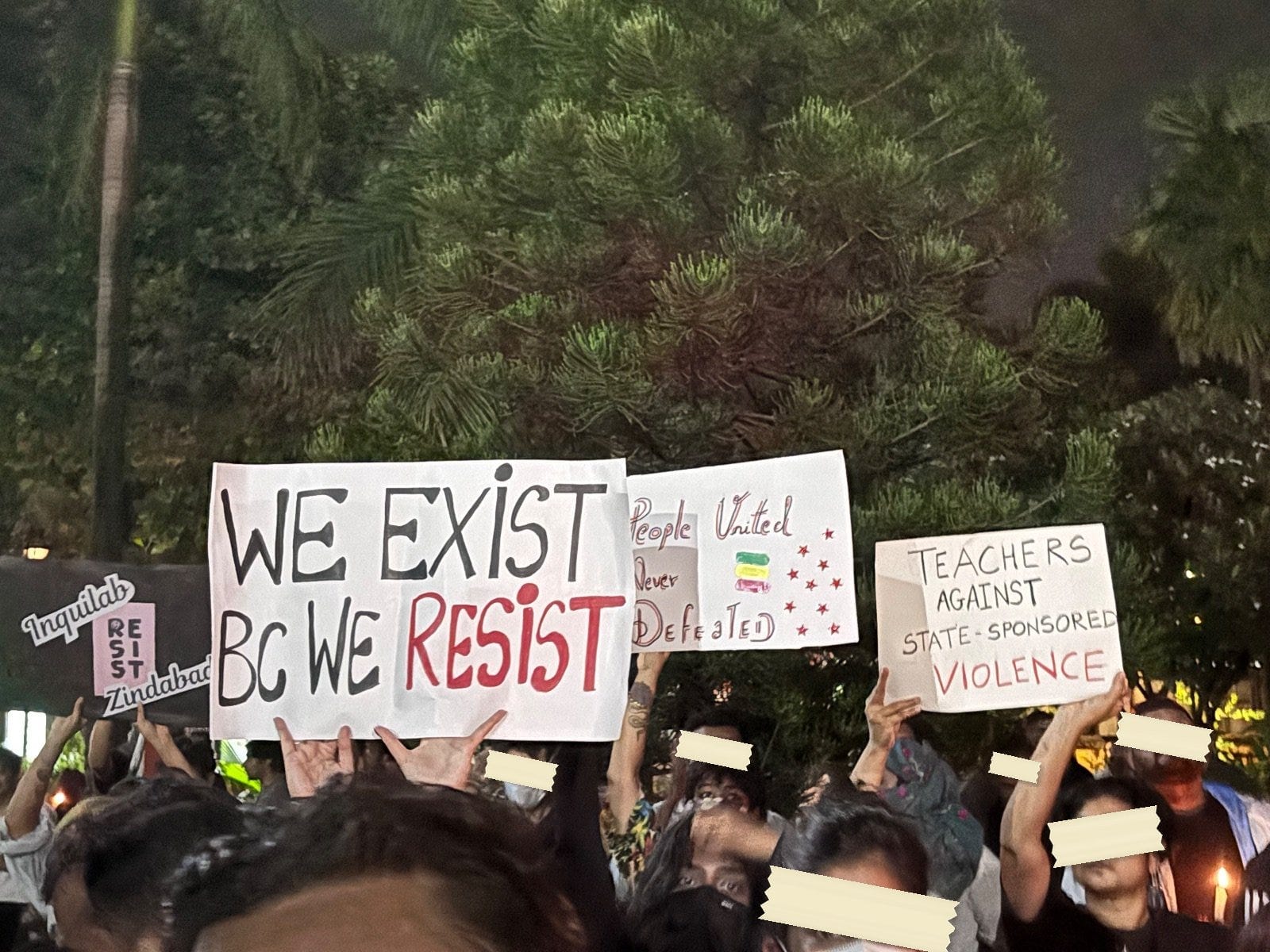
Indian “cockroach” protest archive crowdsources photography, obscuring participants
Democracy by Design is crowdsourcing a visual record of India’s massive student protests over exam paper leaks and educational equity. The platform drew together a range of media — posters, placards and photographs — with every face automatically obscured before publication. It is the work of Dr Manmohan Singh Fellows through the arts and culture wing of the All India Professionals’ Congress, part of the Indian National Congress party. India’s youth-led “cockroach” protests forced the resignation of a government minister over exam paper leaks and state violence — students now report mass arrests following the protests. Browse the archive here.
Goodbye Politicians saw 30 strangers picked by lottery to write their state’s pandemic policy
Goodbye Politicians Hello Democracy follows 30 Michigan residents, drawn by lottery from across the political spectrum, who met online for six weeks in 2020 to write pandemic policy for their state — no script, no actors and all filmed in their own homes. They sent 12 recommendations to Michigan politicians at every level and got one reply — a standard reply email. The nonpartisan nonprofit OF BY FOR put the 76 minute film online free on 4 July. Watch it here.
NED board heads to Ukraine, reports on ‘extraordinary’ democratic resilience
A board delegation from the National Endowment for Democracy, a US pro-democracy grant maker, travelled to Kyiv, Lviv, Zhytomyr, Bucha and Rivne in June, meeting 32 partners alongside the Office of the President, the Verkhovna Rada and the Central Election Commission, to see how Ukrainian civil society and democratic resilience is holding together despite Russia’s continued aggression. Summarising their time in the country, they remark that the visit served as a powerful reminder that democracy endures not because it is inevitable, but because people choose to defend it. Read about the visit here.
That’s all for now,
James and the Democracy Network team
If you find these bulletins useful, or have suggestions for how we can improve our monthly newsletters, please let us know and email us at hello@democracynetwork.org.uk — we’d love to hear from you.